
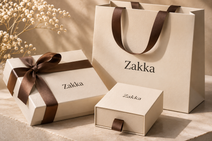
What Makes Retail Packaging Look Expensive
Posted by Zakka Canada on 25th Nov 2026
What Makes Retail Packaging Look
Expensive?
Materials, Finishes and Design Explained
Luxury retail packaging is not simply a matter of adding gold foil or choosing a heavier box. It is the
combination of structure, texture, colour and proportion that creates a premium impression. For
retailers ordering custom printed boxes and bags, the challenge is deciding which
details customers will actually notice — and which merely increase production costs.
1. Start with structure, not decoration
A rigid gift box has a substantial feel because thick board is wrapped in decorative paper. A folding
carton is lighter, ships flat and can look equally refined on a shelf when the product is relatively
light. For custom printed paper bags, start by comparing paper samples around 170–250 gsm,
rather than choosing by weight alone. Reinforced handles and base construction matter just as
much, especially for heavier purchases. Ask for a loaded sample before committing to volume
production.
2. Choose a finish customers can feel
A matte finish can create a restrained, sophisticated look, while gloss makes colours appear more
vivid. Uncoated textured paper offers a tactile, natural appearance. Soft-touch lamination adds a
velvety feel, but dark surfaces may show scuffs or fingerprints depending on the film. Ask for
rub-test samples. For a premium effect, choose one finish that suits the brand rather than
combining several expensive treatments.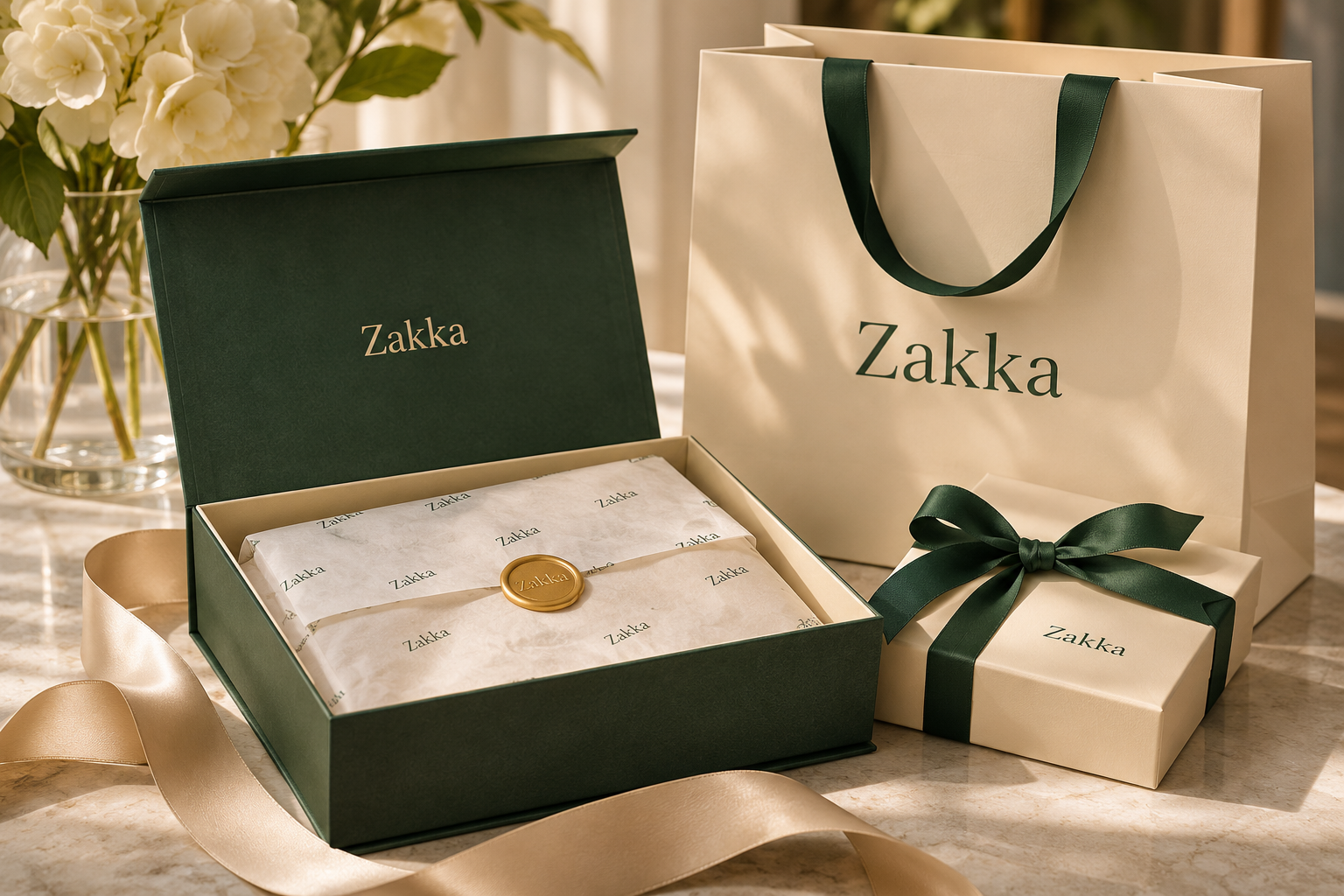
3. Use premium printing techniques selectively
Foil stamping creates a metallic accent; embossing raises the surface, and debossing presses it
inward. Spot UV adds localised gloss against a matte background. A small, precisely positioned
logo often looks more sophisticated than full-surface decoration. Foil and embossing typically
require tooling, so ask for separate setup and per-unit costs at your expected annual volumes.
4. Make design work harder than decoration
White space, a consistent colour palette and restrained typography can make branded packaging
feel intentional without adding production complexity. Avoid simply enlarging a logo to fill the
available space. When matching custom shopping bags and gift boxes, approve physical colour
samples on each material: the same ink can look different on coated paper, uncoated kraft and
fabric handles.
5. Create two packaging tiers, one brand
For multi-location retailers, reserve rigid boxes, ribbon handles or foil accents for high-value
purchases and gift collections. Use well-designed folding cartons or printed paper bags for
everyday transactions. Carry the same logo, colour palette and typography across both tiers so the
lower-cost packaging still belongs to the brand. Compare landed cost, storage space and packing
time, not just unit price.
The sample test before you order
Before approving your custom retail packaging, request a production-representative sample and
check five things: colour consistency, logo placement, surface durability, handle strength and
product fit. The best luxury packaging is not necessarily the most elaborate. It is the packaging
that feels considered, performs reliably and reinforces the brand at a cost the business can sustain.