
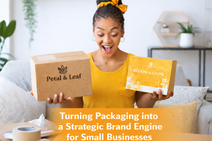
The Unboxed Asset: Turning Packaging into a Strategic Brand Engine for Small Businesses
Posted by Zakka Canada on 24th Feb 2026
The moment a package arrives at your door — or a carefully wrapped purchase is placed in your hands — something powerful happens before the product is even seen. Packaging shapes the first impression, setting the emotional tone for what comes next. It’s the anticipation of opening a box, the pride of giving a beautifully presented gift, the subtle confidence you feel walking out of a store holding something that looks as good as it feels. For small businesses, this moment isn’t just presentation — it’s perception. Packaging becomes the first handshake, the silent storyteller, and often the difference between a one-time purchase and a lasting connection.
Mapping the Packaging Journey Across Touchpoints
. 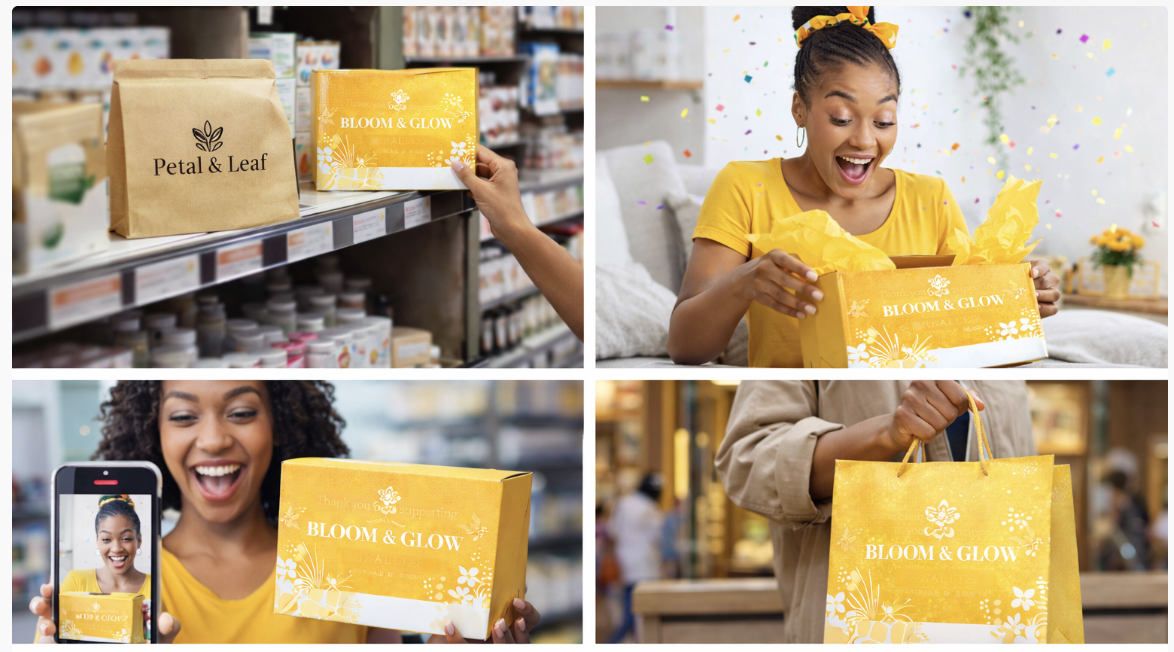
Smart packaging strategy goes far beyond the box itself — it’s about every moment your product meets your customer.
1. On the shelf, packaging needs to capture attention and communicate your story in seconds.
2. At delivery and during unboxing, it should turn a simple opening into a small celebration. Online
3. Across social media, packaging that photographs beautifully extends your brand and invites customers to share their experience.
4. When someone walks out of your store holding your bag, your packaging continues to signal value, taste, and identity.
When you map these touchpoints intentionally, packaging shifts from being a container to becoming a powerful, multi-channel brand communicator.
Packaging as Leverage
Most brands talk about packaging as a branding exercise. Fewer talk about it as leverage — something that can reduce costs, increase reach, unlock partnerships, and even act as a marketing channel on its own. That’s where the real advantage lives.
1. Market the Packaging, Not Just the Product
If you’re a small business, your packaging can do marketing work you don’t have a budget for. Instead of treating packaging as an afterthought, bring it into your content strategy:
- Show behind-the-scenes decisions: material sourcing, prototyping, sustainability trade-offs.
- Feature your packaging in product launches as if it were a feature, not a container.
Use packaging close-ups in ads — textures, folds, closures — to signal quality without saying “premium.”
2. Make Practical Choices That Still Feel Intentional
For small businesses, packaging decisions often come down to budget, storage space, and minimum order quantities — but those constraints can actually lead to smarter strategy. The goal isn’t perfection; it’s consistency and thoughtful trade-offs that support growth.
Realistic shifts small brands can make:
Simplify without looking cheap: Choosing lighter materials or stock sizes can reduce costs, especially for shipping, while small details like clean printing, good proportions, and sturdy structure keep things feeling quality.
Mix ready-made with custom touches: A standard kraft box paired with branded tissue, stickers, or inserts creates a custom feel without committing to large custom runs.
Reduce SKU complexity: Fewer box sizes and more flexible inserts make inventory easier to manage and prevent over-ordering packaging you may outgrow.
Be honest about sustainability: Customers don’t expect perfection — they value transparency. Using recyclable materials, minimal packaging, and simple messaging often builds more trust than expensive “green” claims.
When small brands focus on practical consistency instead of chasing perfect packaging, every choice starts to reinforce the brand rather than strain the budget.
3. Give Packaging a Second Job

The smartest packaging doesn’t retire after unboxing.
Small brands, especially, can extract more value by designing packaging to:
- Double as storage, display, or refill containers
- Become gift-ready, removing the need for extra wrapping
- Act as return packaging, reducing friction and costs
- Serve as a subscription system, where customers expect and reuse the same format
When packaging sticks around, your brand stays in the customer’s environment — on shelves, desks, kitchens — without extra media spend.
4. Use Packaging to Elevate Perceived Value
Customers don’t just evaluate what they bought — they evaluate how the purchase made them feel.
Packaging plays a major role in shaping perceived value long before the product is used. Small signals like structure, texture, and presentation can make an item feel more thoughtful, more substantial, and ultimately more worth its price.
Packaging increases perceived value by creating a sense of intention: a box that fits properly, materials that feel sturdy, and simple layers that slow the experience just enough to make the product feel considered rather than transactional. Even small touches — tissue, inserts, clean labeling — communicate care and reinforce quality.
For small businesses, this is one of the most powerful levers available. You may not outspend larger competitors, but you can create an experience that makes customers feel confident in what they paid. When packaging supports the story of the product, price starts to feel justified — and repeat purchases become easier.
5. Turn Packaging Into a Partnership Tool
Packaging isn’t just customer-facing — it’s a business development asset.
Small brands can use packaging to:
- Signal readiness to retailers or distributors
- Support co-branding opportunities
- Strengthen influencer partnerships with “camera-friendly” unboxing
- Build credibility with logistics partners through efficiency and durability
Retail buyers and collaborators notice packaging long before sales data. It’s often the first proof of seriousness.
Big brands can throw money at marketing. Small brands need assets that work harder.
Strategic packaging:
- Reduces marketing dependency
- Improves unit economics
- Increases perceived value
- Extends brand presence beyond purchase
- Signals legitimacy at every stage of growth.
And the brands that understand that early don’t focus on shipping products with meaning.